
Blog

How to Build an Interior Designer Email List That Attracts Ideal Clients
You work in interior design, so you already know how quickly inquiries come and go. Some leads respond immediately, while others disappear without a trace. Without a clear system, it becomes difficult to stay connected with people who have already shown interest in your services. That is where email marketing for interior designers changes how you manage growth.
At Sidemark, based in Addison, Texas, you focus on turning scattered interactions into organized client communication. An interior designer email list gives you direct access to people who want updates, inspiration, and services from you. Instead of relying on unpredictable platforms, you speak directly to your audience through structured interior design marketing. This blog shows you how to build and grow an email list that brings in better-quality inquiries. You will learn how email marketing supports stronger relationships, better engagement, and a steady flow of potential clients who already trust your work.
What is an Interior Designer Email List?
An interior designer email list stores subscriber data used to send targeted email campaigns. You use it to group people who have already shown interest in your work so you can speak to them directly with relevant updates and offers.
It typically includes:
Potential clients
Past clients
Website subscribers
You rely on this list to keep communication active with people who have already interacted with your brand. It also helps you stay present in their inbox while they plan renovation projects or explore design ideas. This approach supports more structured interior design marketing, where each message has a clear audience and purpose.
Why Email Marketing for Interior Designers Works
Email marketing for interior designers delivers structured communication to subscribers who have already shown interest in design services. It supports lead nurturing and client conversion through planned messaging.
Direct Communication vs Social Media
You cannot depend only on social media to maintain steady visibility. Platforms change how content is distributed, and your reach depends on rules outside your control. Email offers a more stable path since it goes directly to people who have chosen to hear from you.
Email marketing provides inbox-level communication, while social media relies on algorithm-based visibility. You control timing and message delivery, while your audience receives updates without searching through crowded feeds, which keeps communication more consistent.
Long-term Client Relationship Building
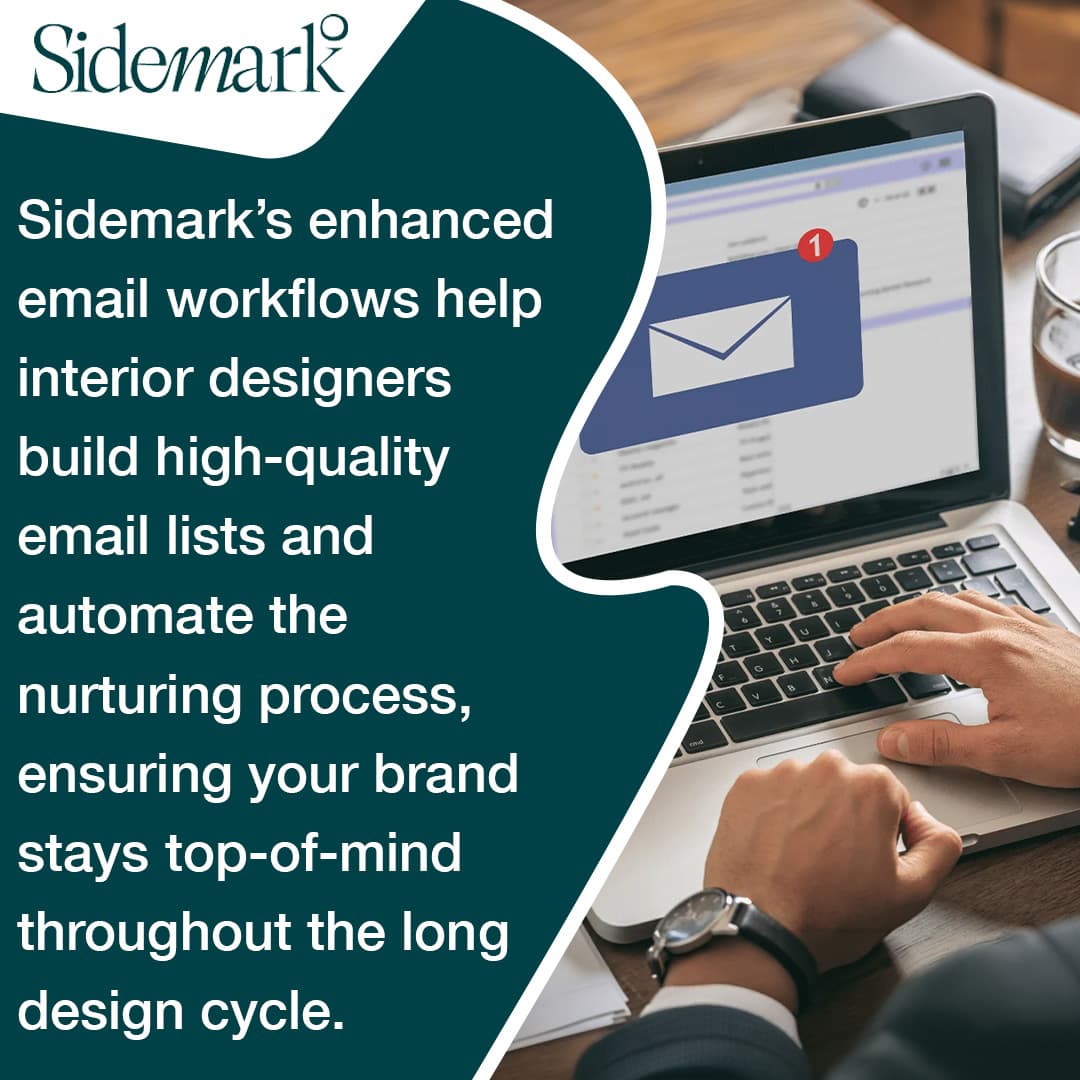
Interior design projects often extend over weeks or months as clients explore ideas, compare styles, and revisit choices before committing. You need a way to stay connected throughout this journey without overwhelming them. Email marketing for interior designers supports steady communication across these longer decision cycles.
You can share design inspiration, project updates, and real examples that match their interests. This consistent contact builds familiarity, and familiarity often leads to stronger confidence in your services over time.
Higher Conversion Potential
You already work with people who have shown interest in your services. Email marketing lets you focus on these warm leads instead of broad, unrelated audiences. This improves the quality of conversations you begin and keeps your outreach relevant to real interests.
Email marketing also supports stronger conversion potential because your messages reach subscribers who already know your work. Email performs strongly across lead conversion workflows compared to many outbound channels, making your communication more focused and action-driven.
How to Build an Interior Designer Email List
A structured approach to interior design marketing helps you turn casual interest into ongoing communication that supports future projects.
Create Lead Magnets for Your Audience
Lead magnets attract subscribers by offering useful content in exchange for email details.They work well in interior design email marketing because they give visitors a clear reason to stay connected beyond a single website visit. This approach builds interest and encourages sign-ups from people already thinking about improving their living spaces.
Design Guides
Design guides help you grow your email list by offering structured interior planning content. You guide users through common design decisions and simplify the process. For example, a “Living Room Layout Planning Guide” shows practical ideas, helping prospects visualize their space while positioning your expertise and encouraging email sign-ups.
Style Quizzes
Style quizzes collect emails by helping users identify design preferences through interactive questions. You guide users through simple questions about taste, lifestyle, and space goals, such as “Discover Your Interior Style Assessment.” People enjoy receiving personalized results, so they share their email in return. This creates early trust and engagement.
Checklists
Checklists collect emails by offering step-by-step planning support for design projects. You provide simple, practical lists that help users stay organized during their design journey. Example: “Home Renovation Planning Checklist.” This resource appeals to homeowners seeking structure before starting a project and positions you as a guide during the early planning stages.
Use Website Forms and Landing Pages
Website forms and landing pages convert website visitors into email subscribers through structured entry points. You place these elements across your website so interested users can connect without friction. This supports the steady growth of your interior designer email list.
Homepage Forms
Homepage forms collect emails from general website visitors at early interest stages. You use these forms to capture attention from users who are still exploring your services. They help you build a base audience even before someone is ready to start a project.
Service Page Forms
Service page forms collect emails from visitors reviewing specific design services. These users already show stronger intent. You position forms where they can easily subscribe while reading about your offerings. This approach brings in leads who are closer to requesting consultations.
Dedicated Landing Pages
Dedicated landing pages focus on a single offer to increase email sign-ups. You remove distractions and present one clear action for visitors to take. This format works well for campaigns, promotions, or downloadable resources. It helps you direct attention toward one goal and keeps the user focused on joining your list.
Capture Emails During Consultations
Consultation workflows collect emails from high-intent prospects during inquiry or booking steps. You connect email capture directly into your consultation process, so every serious inquiry enters your communication system. These leads often show a stronger interest in working with you, which improves the value of your email list over time.
Inquiry Forms
Inquiry forms collect structured client information before consultation scheduling. You gather details like project type, timeline, and design needs. This helps you qualify leads early while also building your email database. It creates a smooth starting point for future communication.
Booking Systems
Booking systems collect emails during appointment scheduling workflows. You integrate email capture directly into the scheduling step, so no consultation request goes unrecorded. This keeps your communication organized and allows you to follow up with every potential client in a structured way.
How to Attract Ideal Clients to Your Email List
Attracting the right clients to your email list shapes the quality of every inquiry you receive. You need clarity in whom you speak to and how you position your services so the right people choose to stay connected with your brand.
Define Your Ideal Client
An ideal client is a clearly defined audience based on design needs, budget, and project type.This helps guide your messaging in interior design marketing.
Start by identifying:
Projects you enjoy most
Clients you work best with
Service focus (luxury, styling, or renovations)
You also need to separate budget groups. A luxury remodel client responds differently from a small-room update. Project types like kitchens or full-home designs also shape expectations. Clear segments help you refine email marketing for interior designers and improve engagement.
Align Your Messaging
Aligned messaging communicates directly with the expectations of your target audience. You need to match your message with the type of client you want to attract instead of using broad communication that fits everyone.
For example:
Luxury interior design messaging targets high-budget homeowners
Residential messaging focuses on home renovation needs
Your tone, visuals, and project examples should stay consistent across emails, websites, and lead forms. This alignment helps visitors clearly recognize your services and improves lead quality entering your email list.
Use Targeted Offers
Targeted offers help you attract subscribers aligned with specific service needs and improve list relevance.
Examples include:
Virtual design consultations
Full-service interior design packages
You can also add project-based offers to segment leads like kitchen or living room design. Virtual consultations attract early-stage interest, while full-service packages appeal to high-intent clients. This approach helps you send focused emails, match content to each group, and keep communication relevant across your interior design marketing efforts.
Interior Design Email Marketing Strategies
Interior design email marketing works as a guided system where each message serves a clear purpose in the client journey.
Welcome Email Sequences
Welcome sequences introduce your brand and guide subscribers toward booking a consultation.When someone joins your list, you set the tone for how they experience your communication. This stage turns interest into engagement through clear messaging.
You can structure it like this:
Brand introduction
Portfolio overview
Service explanation
You introduce your design style, highlight selected projects that reflect your best work, and explain how clients can start working with you. Each email moves the subscriber closer to booking a consultation and starting a conversation.
Project Showcase Campaigns
Project campaigns build trust by showcasing completed interior design work. You build confidence by showing real results instead of general descriptions, helping your audience connect with your style and process.
You can structure these campaigns using:
Before-and-after visuals
Project outcomes
Design explanations
Before-and-after visuals show clear transformations. Project outcomes highlight improvements in function and lifestyle. Design explanations share your approach from concept to completion, helping you present your work with clarity and consistency.
Newsletter Campaigns
Newsletters help you maintain steady engagement with subscribers through regular updates. You stay present in their inbox without focusing on constant selling, which builds familiarity over time.
Your newsletters can include:
Design insights
Project updates
Industry-related information
Design insights let you share simple ideas on layouts, color choices, and space planning. Project updates keep your audience connected to your recent work. Industry-related information adds value through your observations on trends and client preferences.
Re-engagement Emails
Re-engagement emails target inactive subscribers and bring them back into communication.Some contacts stop opening emails over time, but you can reconnect with clear and relevant messaging.
You can structure re-engagement emails around:
Updated services
New project highlights
Updated services remind subscribers of what you currently offer and how your process has evolved. New project highlights share recent work they may have missed. You keep the message direct and focused on reopening interest without pressure.
Tools Needed for Interior Design Marketing
Interior design marketing requires software tools that manage communication, automation, and client data.
Email Marketing Platforms
You use email marketing platforms to stay connected with people who already show interest in your services.These tools help you manage communication and keep your brand visible in inboxes over time.
Email marketing platforms:
Manage subscriber lists
Send scheduled campaigns
Run automated email workflows
You can segment audiences by interest, service type, or engagement level. This allows more relevant messaging instead of general updates. You also review open and click data to adjust communication. Automated sequences keep emails running based on actions like sign-ups or inquiries, even during busy project work.
CRM Systems
You manage multiple clients, project stages, and inquiries at once, so a CRM helps you keep everything organized in one place without losing track of any lead or active project.
CRM (Customer Relationship Management) systems store and organize client and lead data, including:
Contact details
Communication history
Project status
You can quickly see where each client stands in your pipeline without searching through emails or scattered notes. This makes follow-ups faster and more direct. You also prioritize leads better by identifying who is ready for consultation and who needs further nurturing, keeping your communication focused and relevant.
Automation Tools
You cannot manually track every follow-up, reminder, or welcome message as your list grows. Automation tools help manage that workload while keeping communication active.Automation tools send emails based on user behavior or predefined timelines, helping you maintain steady engagement.
They:
Trigger emails after sign-ups or consultations
Respond to actions like downloads or clicks
Maintain consistent follow-ups
You set rules once, and the system sends messages while new subscribers get instant introductions and ongoing updates based on activity.
At Sidemark, we bring these tools together in a single system so you can manage interior design marketing and client communication from one place without switching between platforms.
How Sidemark Helps Build and Grow Your Email List
Sidemark provides a unified system for interior design marketing, including email list building and automation tools. It is built specifically for interior designers in Addison, Texas.
Done-with-You Software Solution
The done-with-you solution provides tools, training, and support for managing email marketing internally.
It includes:
Email marketing system
CRM functionality
Automation workflows
Coaching support
Done-for-You Email Marketing Services
Done-for-you services manage email campaigns and list growth for interior designers.
It includes:
Campaign creation
Email automation setup
List growth strategies
Performance tracking and reporting
At Sidemark, we bring both approaches together so you can choose the level of involvement that matches your workflow and business goals.

Start Building a Stronger Client Pipeline with Sidemark
Your email list shapes how consistently you connect with potential clients and how easily you turn interest into consultations. If you want a structured approach to interior design marketing, Sidemark helps you set up systems that support steady list growth, better engagement, and clearer communication with your audience.
You can start building a stronger foundation for email marketing for interior designers with guidance tailored to your business goals. Reach out to us at (214) 984-3383 or email [email protected] to get started today.

Lorem ipsum dolor sit amet, consectetur adipiscing elit, sed do eiusmod tempor incididunt ut labore et dolore magna aliqua.
Quick Links
Home
About Us
Services
Blog
Contact
©2024 Markside Designs. All Rights Reserved.
Terms and Service
Privacy Policy
Cookies Policy